Carpenter Bees vs. Bumble Bees
May 19, 2025
Carpenter Bees vs. Bumble Bees: What’s Buzzing Around Your Home?
When warm weather hits North Georgia, bees start buzzing—and sometimes right around your porch or deck. At Duncan Exterminating, serving both Dawsonville and Gainesville, GA, we often get asked: “What kind of bee is this?” If you're wondering if you're seeing a bumble bee or a carpenter bee, here’s how to spot the difference.
🐝 How They Look
Start with the abdomen. Carpenter bees have a smooth, shiny black rear end that almost looks bald. On the other hand, bumble bees stay fuzzy all over, from their head to the tip of their tail.
Male carpenter bees—often the ones you see hovering near decks—tend to have big, light-colored eyes and a pale yellow or white face patch. Bumble bees have deep-toned eyes and an evenly hairy face.
And when it comes to stripes, bumble bees wear more consistent yellow-and-black banding. Carpenter bees usually rock a yellow “vest” behind the head, but their abdomen is solid black.
🏡 Nesting Habits
Carpenter bees are like tiny woodworkers. They drill near-perfect, half-inch round holes in unpainted or weathered wood and tunnel inside to raise their young. Look for sawdust (“frass”) under the entry point—a sure sign.
Bumble bees don’t mess with your wood. Instead, they find pre-existing cavities—like old rodent burrows, compost piles, or grass clumps—and line them with wax to form their nests.
🐝 Social Life: Lone Builders vs. Team Players
Carpenter bees live mostly solo lives. Each female tends to her tunnel, while males hang around nearby to guard the spot (no worries—they can’t sting).
Bumble bees are team players. They live in seasonal colonies led by a queen filled with dozens or even hundreds of worker bees.
😬 Around People
Male carpenter bees might dive-bomb you if you get close to their turf, but it’s all show—they don’t have stingers. The females can sting, but rarely do unless directly bothered.
Bumble bees are usually chill, but if you mess with their nest, they’ll defend it—and unlike honey bees, they can sting more than once.
🌸 Pollinators vs. Pests
Both types of bees are valuable pollinators. Bumble bees are pros at “buzz pollination,” vibrating flowers to release pollen that even honey bees can’t reach.
But carpenter bees can be a headache when it comes to your home. Over time, their wood-boring tunnels can damage trim, railings, and eaves—especially if multiple generations return to the same spot.
- A single female excavates a perfectly round entry hole—about ½‑inch wide—then turns at a right angle and tunnels with the grain for 6‑12 inches (sometimes more). She hollows out a series of tunnels, each stocked with pollen and nectar, then seals them off for her offspring. That first year’s gallery usually isn’t catastrophic, but here’s where the trouble starts:Generational expansion. Carpenter bees prefer to reuse and enlarge old tunnels rather than start fresh. When daughters emerge the following spring, they often excavate side passages off the “family home,” each new generation adds length and branches. After several seasons, you can have a latticework of damage that weakens trim, fascia boards, porch rails, fence posts, or deck joists.
- Moisture and rot. Open galleries let rain and condensation wick into the wood, accelerating decay. Once fungal rot sets in, the structural integrity drops faster than from boring alone.
- Cosmetic issues. Below each entry hole, you’ll often find coarse sawdust (“frass”) and yellowish streaks of bee excrement that stain siding and railings.
🛠️ Tips for Control & Coexistence
Want to deter carpenter bees? Keep wood surfaces painted or sealed. If you find holes, fill them with dowels and wood filler before repainting.
Final Buzz
So here’s the quick recap: If you see a shiny black bee drilling into your deck, it’s a carpenter bee. If it’s fuzzy and zips into a grassy burrow, that’s a bumble bee. If you need help identifying and managing carpenter bee activity around your home, Duncan Exterminating is here for you in both Dawsonville and Gainesville, GA.
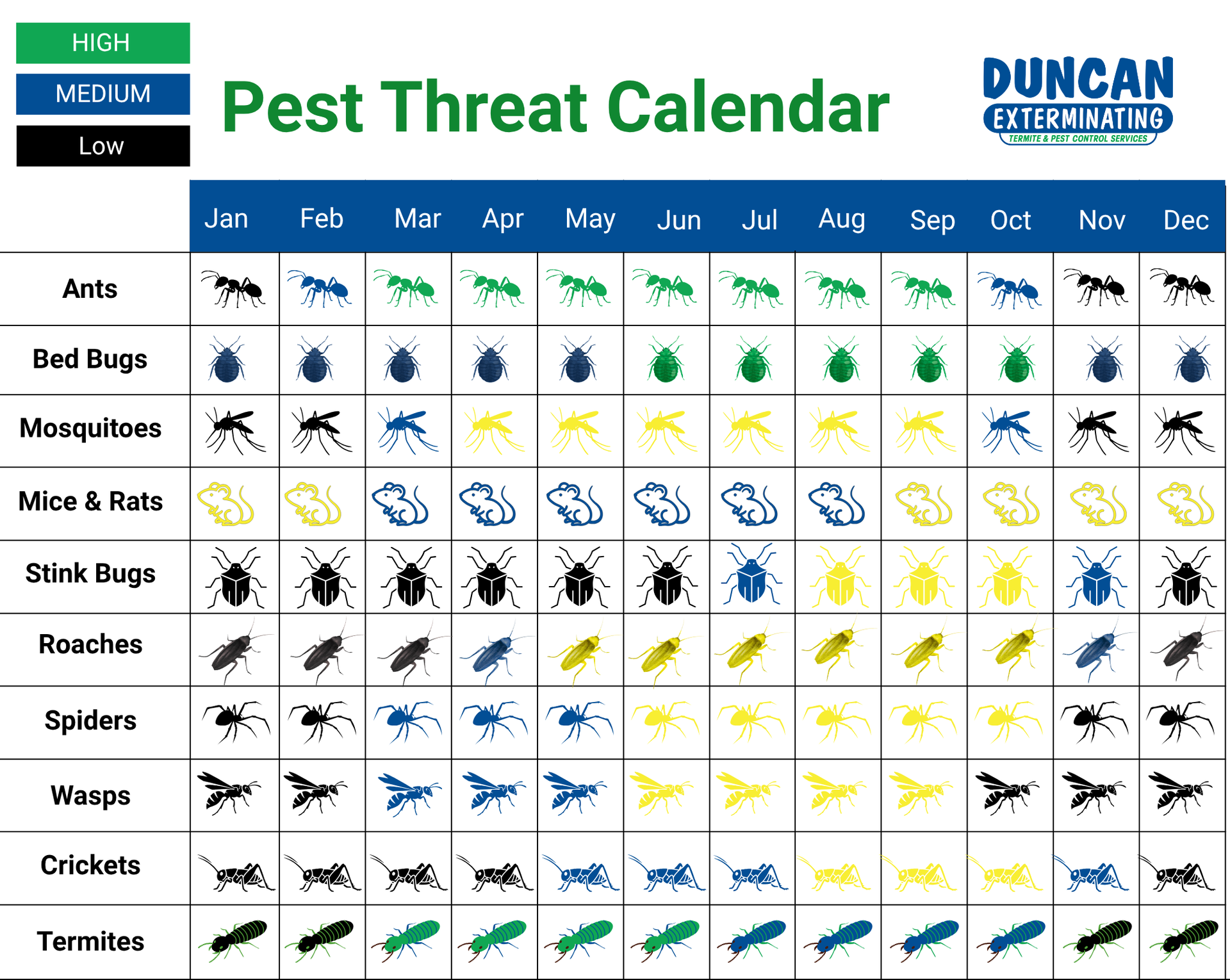
Keep your Gainesville or Dawsonville home pest-free year-round. Discover North Georgia’s seasonal pest trends and how to protect your property with Duncan.
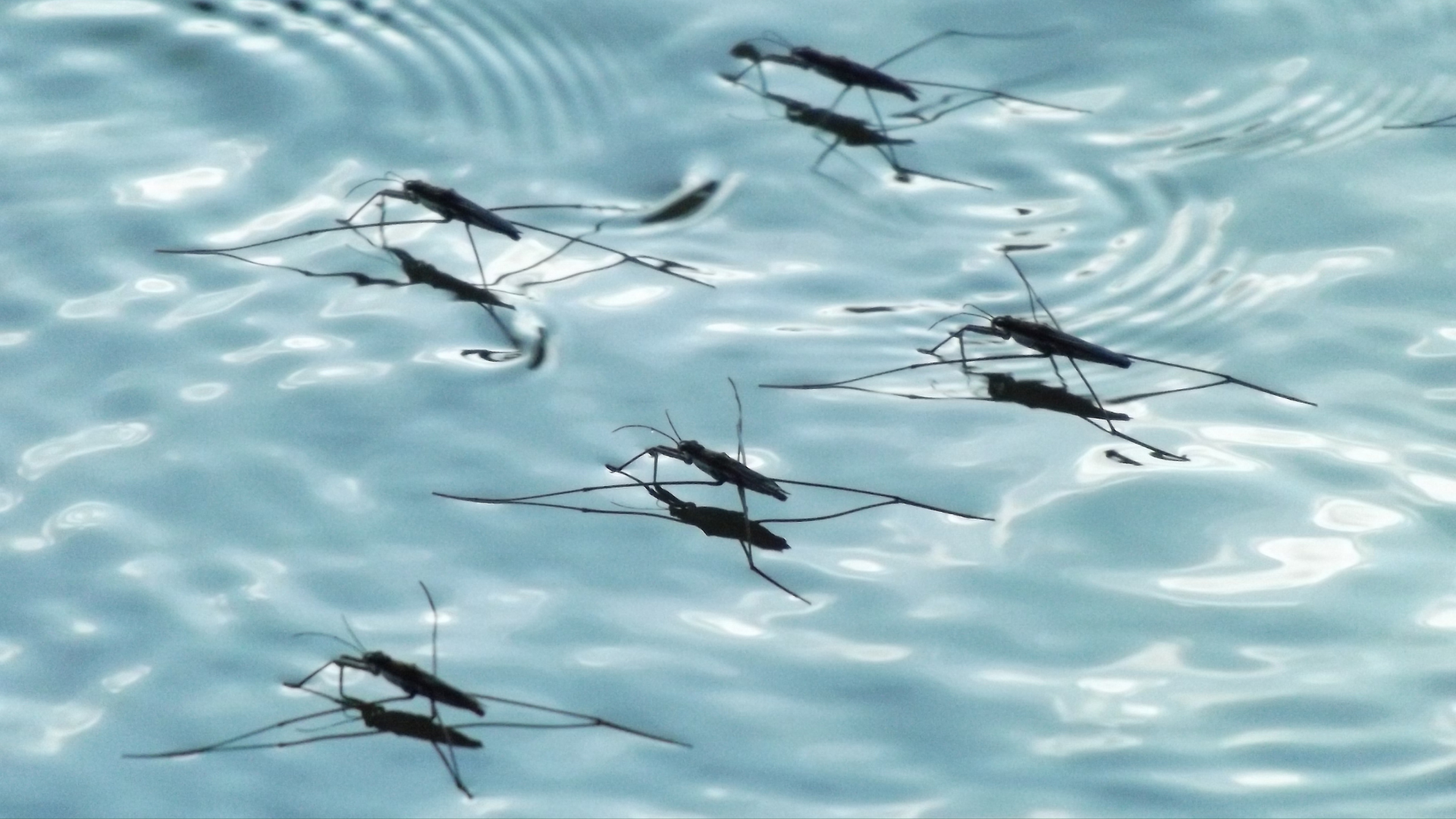
Learn how the mosquito life cycle affects control strategies in Gainesville and Dawsonville. Target breeding early with expert tips from North Georgia’s pest pros.

Discover the best DIY mosquito control tips for North Georgia homeowners. Reduce bites and breeding with proven strategies for a safer, more comfortable yard.
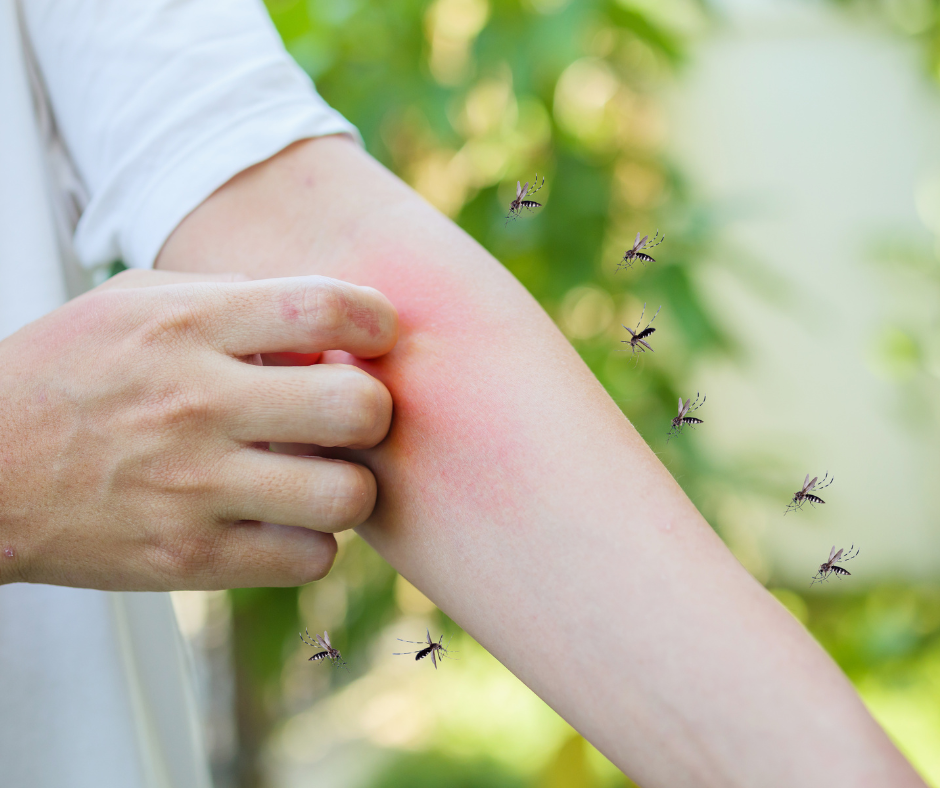
Have You Ever Felt Like a Mosquito Magnet? Picture this: you’re enjoying a warm summer evening in your backyard, drink in hand, when suddenly—ouch! Mosquitoes are feasting on you while your friend sitting beside you is untouched. Annoying, right? But what if I told you that it’s not just bad luck? Science has proven that mosquitoes really do have preferences, and certain factors make some people irresistible to these tiny vampires. From your body chemistry to what you wear, here’s the fascinating truth behind why mosquitoes find you so delicious and what you can do to keep them away. Carbon Dioxide: The Invisible Mosquito Beacon Did you know that mosquitoes can detect carbon dioxide (CO₂) from up to 150 feet away? That’s like having a built-in radar for human breath! Who’s Most at Risk? Larger individuals naturally exhale more CO₂, making them easier targets. Pregnant women emit about 21% more CO₂ than others, putting them at greater risk. Athletes and outdoor enthusiasts jogging, hiking, or cycling in places like Amicalola Falls or Lake Lanier are prime mosquito targets due to increased CO₂ output. 💡 Fun Fact : Mosquitoes don’t just track CO₂; they actually zigzag toward the highest concentration, making those who breathe heavily easy prey. Body Odor & Sweat: A Mosquito’s Favorite Perfume It’s not just about breathing; mosquitoes sniff out their meals! When you sweat, your body releases lactic acid, ammonia, and uric acid, which mosquitoes adore. What Makes You More Attractive? Genetics: Some people naturally produce more mosquito-attracting chemicals. Hormones: Changes in hormones can affect body odor and increase attraction. Skin Bacteria: The type and diversity of bacteria on your skin impact how "delicious" you smell to mosquitoes. So, if you’ve been mowing the lawn, playing soccer, or fishing in Dawson Forest, expect a mosquito swarm. 🚀 Pro Tip : Rinse off after exercise—less sweat means fewer mosquito invitations. Blood Type: Does It Really Matter? You may have heard that mosquitoes prefer certain blood types. Turns out, there’s truth to that! According to studies , people with Type O blood are bitten twice as often as Type A. Type B falls somewhere between. 💡 Why? About 85% of people secrete chemicals through their skin that reveal their blood type. Mosquitoes can quickly zero in on you if you're one of them. Body Heat: Warm Bodies Mean More Bites Mosquitoes are drawn to heat and humidity, making certain areas of your body their favorite feeding zones. Most Targeted Areas: Head and neck: Because of increased blood flow. Armpits and feet: These regions trap heat and sweat. Ankles and hands: Warmer than other parts of the body. If you’re enjoying a backyard cookout in Gainesville, try staying cool—mosquitoes love warm skin. Genetics: A Family Curse? Have you ever noticed that some families are mosquito magnets while others remain bite-free? Blame genetics! Around 85% of mosquito attraction is inherited, meaning if your parents constantly swat mosquitoes, you probably will be too. 🔬 Scientific Insight : Your genes control body odor, CO₂ output, and skin chemistry, all factors mosquitoes use to choose their victims. Clothing Choices: What You Wear Matters Did you know mosquitoes see you before they smell you? They rely on their vision to spot targets. Mosquito Magnet Colors: 🟥 Red ⚫ Black 🔵 Navy Blue Why? Darker colors absorb more heat, making you easier to spot and more inviting. Stick to light-colored clothing if you’re heading to an outdoor concert in Dawsonville. Scents & Personal Care Products: The Mosquito Dilemma Love floral and fruity perfumes? Mosquitoes do too! Fragrances That Attract Mosquitoes: 🌸 Floral and fruity perfumes 🍓 Scented lotions 🥥 Coconut-based products Instead, opt for unscented products or natural repellents like citronella, eucalyptus, and lavender. Alcohol Consumption: A Surprising Factor That cold beer you’re sipping at a summer cookout? It might be making you a mosquito magnet. Studies show that alcohol consumption—especially beer—increases mosquito attraction due to increased body temperature and changes in skin odor. So, if you’re enjoying a few drinks, be prepared to fend off more bites than your sober friends. Professional Care Mosquitoes are picky, and if they love you, science can explain why. Your CO₂ emissions, body heat, scent, and even clothing play a huge role in whether you become a target. But the good news? You don’t have to suffer through itchy bites! With a few smart strategies—like relying on professional mosquito control , wearing light clothing, and eliminating standing water—you can reclaim your summer and keep mosquitoes at bay. If mosquitoes make your yard unbearable, contact Duncan Exterminating for expert mosquito control services in north Georgia, including Gainesville and Dawsonville.
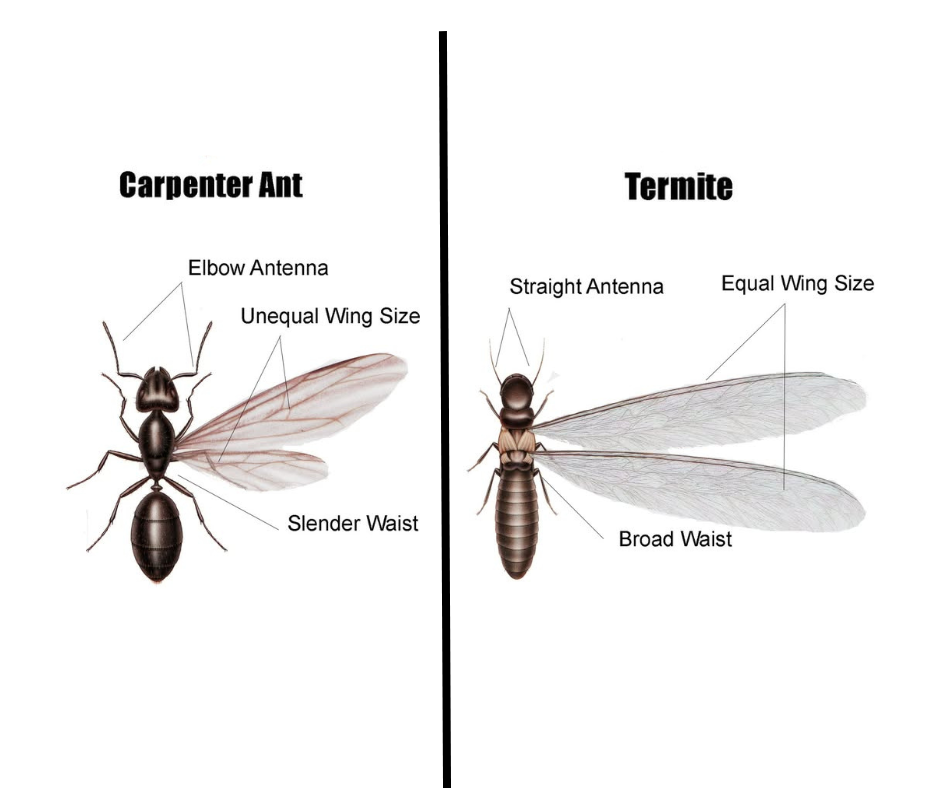
When homeowners see swarms of flying insects around their homes, they often assume the worst: termites. However, flying ants (usually carpenter ants in their winged form) can also appear in large numbers, leading to confusion. While both types of insects may look similar, they have key differences that affect the damage they can cause to your home. In this guide, we’ll compare flying ants and termites, helping you understand how to identify them, their behaviors, and the best ways to prevent and control them. Understanding the Difference: Flying Ants vs. Termites Biological Classification Flying Ants belong to the order Hymenoptera (related to bees and wasps) and the family Formicidae. Carpenter ants are a common species that develop wings during their reproductive stage. Termites belong to the order Blattodea (related to cockroaches). Previously, they were in the Isoptera order. Behavioral Differences Colony & Nesting: Termites live in hidden colonies, feeding on wood 24/7. Carpenter ants nest in moist wood but do not eat it; they tunnel through it. Feeding Habits: Termites consume wood and cellulose materials, leading to structural damage. Carpenter ants are omnivores, feeding on sugars, proteins, and insects. Swarming Seasons: Termites swarm in spring, often after rain. Flying ants typically swarm in late spring to early summer. Signs of Flying Ant Infestation Large black or dark brown ants seen indoors (especially at night) Small piles of coarse sawdust (frass) near wooden structures Hollow-sounding or weakened wood Ant trails leading from wood to food sources Signs of Termite Infestation Mud tubes on walls or foundations (subterranean termites) Hollow or blistered wood with maze-like tunnels Piles of small, equal-sized wings near windows or doors Professional termite control is the best solution if you notice signs of a severe infestation. Duncan Exterminating serves Gainesville and Dawsonville with expert identification and treatment for both flying ants and termites. Whether you need preventative measures or targeted treatments, we can help protect your home from costly damage. Schedule Your Inspection Today! Contact Duncan Exterminating for a professional pest assessment and customized treatment plan. Early detection and intervention can save you thousands in repairs! Physical Differences
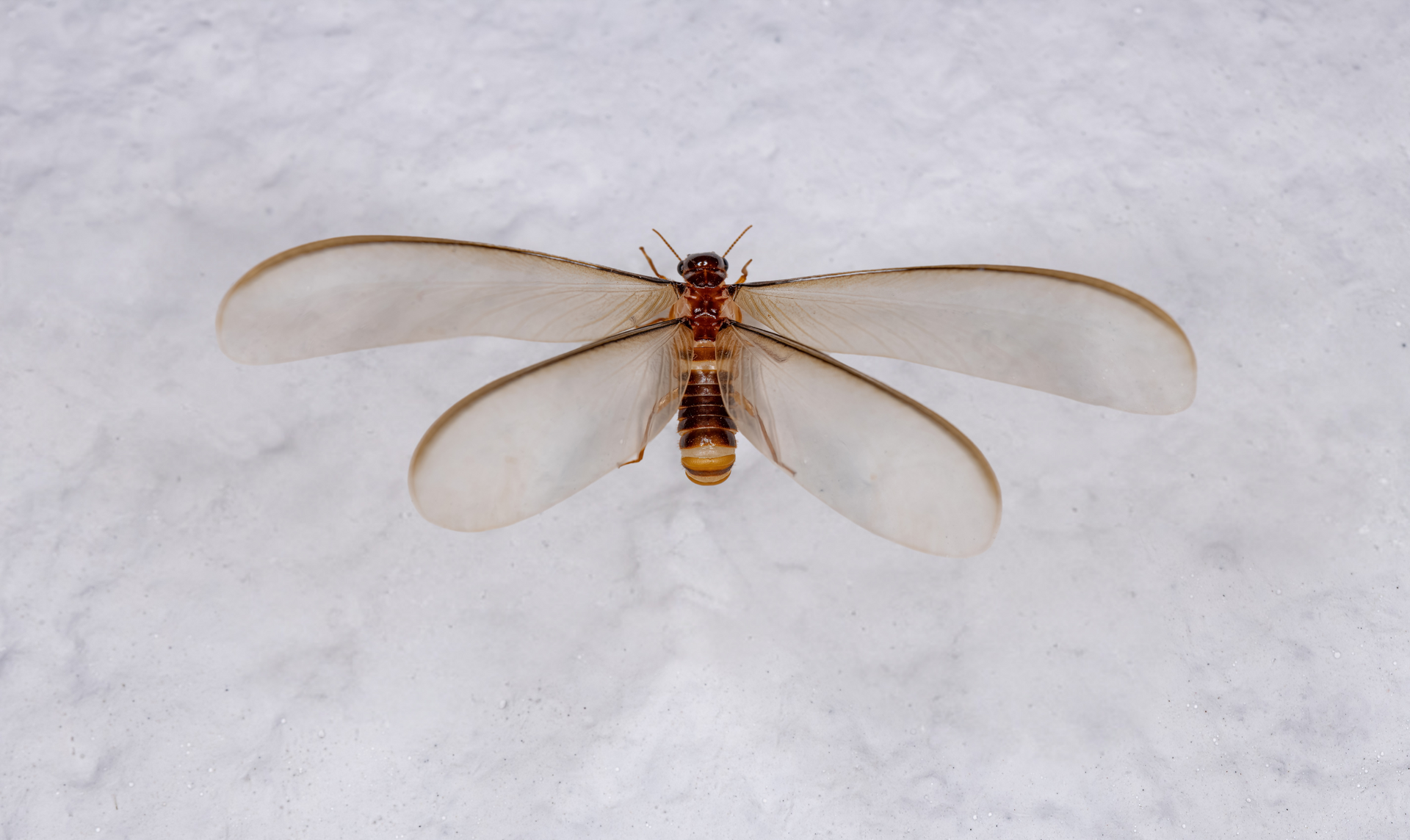
Spring is a beautiful time of year, but it also marks the season when termites become most active. As temperatures rise and moisture levels increase, termites swarm, searching for new places to establish colonies. For homeowners in Georgia, this means an increased risk of termite infestations. Fortunately, you can protect your home from costly termite damage with the proper knowledge and preventive measures. Why Do Termites Swarm in Spring? Termites swarm in the spring as part of their natural reproductive cycle. As the weather warms up and humidity rises, mature termite colonies produce winged reproductive termites, also known as swarmers or alates. These swarmers leave their existing colony to establish new ones, often settling near moisture-rich areas around homes. Swarming termites are particularly active after a rain shower, making spring the prime infestation season. If you see swarmers near your home, it’s a clear sign that a colony is nearby and may already be causing damage. Signs of a Termite Infestation Detecting a termite infestation early can save homeowners thousands of dollars in repair costs. Here are some key signs to watch for: Discarded Wings – After termites swarm, they shed their wings. Finding piles of discarded wings around windows, doors, or on your porch could indicate the presence of a termite colony. Mud Tubes – Subterranean termites build mud tubes along foundations, walls, and crawl spaces to provide moisture and protection as they move between their colony and food sources. Hollow or Damaged Wood – Termites feed on wood from the inside out, making it sound hollow when tapped. Blistering or weakened wood can be signs of an infestation. Sagging Floors or Doors That Stick—Termites consume wooden structures, which can cause floors to become uneven and doors to fit improperly in their frames. Preventive Treatments to Protect Your Home Taking proactive steps can significantly reduce your risk of a termite infestation. Here are some effective preventive measures: Schedule a Professional Termite Inspection – Annual inspections by a trusted pest control company like Duncan Exterminating can detect termite activity early before significant damage occurs. Reduce Moisture Around Your Home – Fix leaky faucets, ensure proper drainage, and keep gutters clean to minimize the moisture that attracts termites. Keep your Property Tidy: Store firewood at least 20 feet away from your structure, keep your gutters clean, and trim vegetation so it does not touch your home or structure. Protect Your Home with Duncan Exterminating Spring is prime time for termite activity, but you can safeguard your home from costly infestations with the proper precautions. At Duncan Exterminating, we specialize in providing expert termite inspections, treatments, and prevention services for homeowners throughout Georgia. Don’t let termites take over your home—contact us today to schedule your termite inspection and protect your property this spring!

Why do bugs invade your home after rain?
When it comes to pest control, misinformation is everywhere. From old wives' tales to trendy DIY hacks, homeowners are often left wondering what’s true and what’s just wishful thinking. Unfortunately, falling for these pest control myths can lead to more significant problems, from wasted time and money to worsening infestations. At Duncan Exterminating, we’ve heard it all regarding pest misconceptions. In this blog, we’re busting some of the most common pest control myths so you can make informed decisions about protecting your home. Let’s dive in! Myth #1: "If My Home Is Clean, I Won’t Get Pests." The Truth : While keeping your home clean helps prevent pests, it’s not foolproof. Pests like cockroaches, ants, and rodents are incredibly resourceful and can invade even the tidiest homes. They’re usually attracted to warmth, moisture, and shelter—things every home has, regardless of cleanliness. For instance: Cockroaches can survive on tiny crumbs or non-food items like soap and glue. Rodents are expert climbers who can squeeze through small gaps or cracks, especially when looking for warmth in colder months. Pro Tip: Maintaining cleanliness helps reduce food and water sources, but professional pest control is essential to keep pests out long-term. Myth #2: "DIY Pest Control Works Just as Well as Professional Services." The Truth : DIY pest control offers temporary relief but rarely solves the underlying problem. Over-the-counter sprays and traps often fail to address hidden nests or colonies. Why DIY falls short: Most products only kill adult pests, leaving eggs and larvae untouched. Misidentifying a pest could lead to ineffective treatments. Pests may develop resistance to some DIY solutions over time. At Duncan Exterminating, we use advanced techniques and products designed to safely and effectively target pests at every stage of their lifecycle. Myth #3: "Pests Die-Off in the Winter, So I Don’t Need Pest Control." The Truth : While pests like mosquitoes slow down during winter, many others—such as rodents, spiders, and cockroaches—actively seek shelter indoors when it’s cold. Winter pests to watch for: Rodents: Mice and rats often move inside, where they can damage wiring, insulation, and food storage. Spiders: Certain species become more active indoors, hunting for insects. Cockroaches: These pests thrive in warm, dark areas like basements and kitchens, regardless of the season. Year-round pest control services from Duncan ensure your home stays protected no matter the time of year. Myth #4: "Bed Bugs Only Infest Dirty Hotels or Homes." The Truth : Bed bugs don’t care how clean or dirty a space is—they’re equal-opportunity invaders. These pests often travel on luggage, clothing, or used furniture, making them a risk for anyone. Signs of bed bugs: Small, reddish bites on your skin. Tiny black spots (fecal matter) on mattresses or furniture. Shed skins or live bugs near bedding seams or upholstery. If you suspect a bed bug infestation, professional treatment is the only way to completely eradicate them. Myth #5: "Cheese Is the Best Bait for Trapping Mice." The Truth : Despite what cartoons have led us to believe, cheese isn’t the best bait for catching mice. Rodents prefer high-protein foods like peanut butter, seeds, or even chocolate. Why cheese isn’t ideal: It dries out quickly and loses its scent. It’s less attractive to rodents compared to other options. At Duncan Exterminating, we use proven trapping and baiting methods to eliminate rodents effectively. Myth #6: "One Treatment Will Solve My Pest Problem Forever." The Truth : Pest control isn’t a one-time fix. Pests are persistent; factors like weather, nearby infestations, and home maintenance can cause recurring issues. Regular treatments and inspections are essential for long-term protection. Our quarterly pest control program protects your home against common pests and prevents their return. Myth #7: "All Pests Are Harmful to Humans." The Truth : Not all pests are dangerous. For example, most spiders are harmless and help control other insect populations. However, pests like termites, cockroaches, and rodents can cause damage to your home and health. When in doubt, it’s best to consult a professional to determine whether treatment is necessary. Why Professional Pest Control Matters Debunking these myths highlights one important point: pest control is most effective when left to the professionals. At Duncan Exterminating, we understand the unique challenges homeowners in Gainesville and Dawsonville, GA, face, and we’re here to help. Here’s what we offer : Accurate Identification : We identify the pest correctly and create a customized treatment plan. Safe and Effective Solutions : Our treatments eliminate pests while keeping your family and pets safe. Ongoing Protection : Our quarterly pest control program ensures your home stays protected year-round. Specialized Services : We tackle even the most challenging infestations from termites to German cockroaches. Contact Duncan Exterminating Today! If you’ve been relying on pest control myths or DIY solutions, it’s time to switch to a trusted solution. Duncan Exterminating has proudly served Gainesville, Dawsonville, Cumming, and the surrounding communities since 1981. Whether you’re dealing with a current infestation or want to prevent future problems, we’re here to help. Call Duncan Exterminating today to schedule an inspection or learn more about our pest control programs. Don’t let pests take over—let us help you reclaim your home!
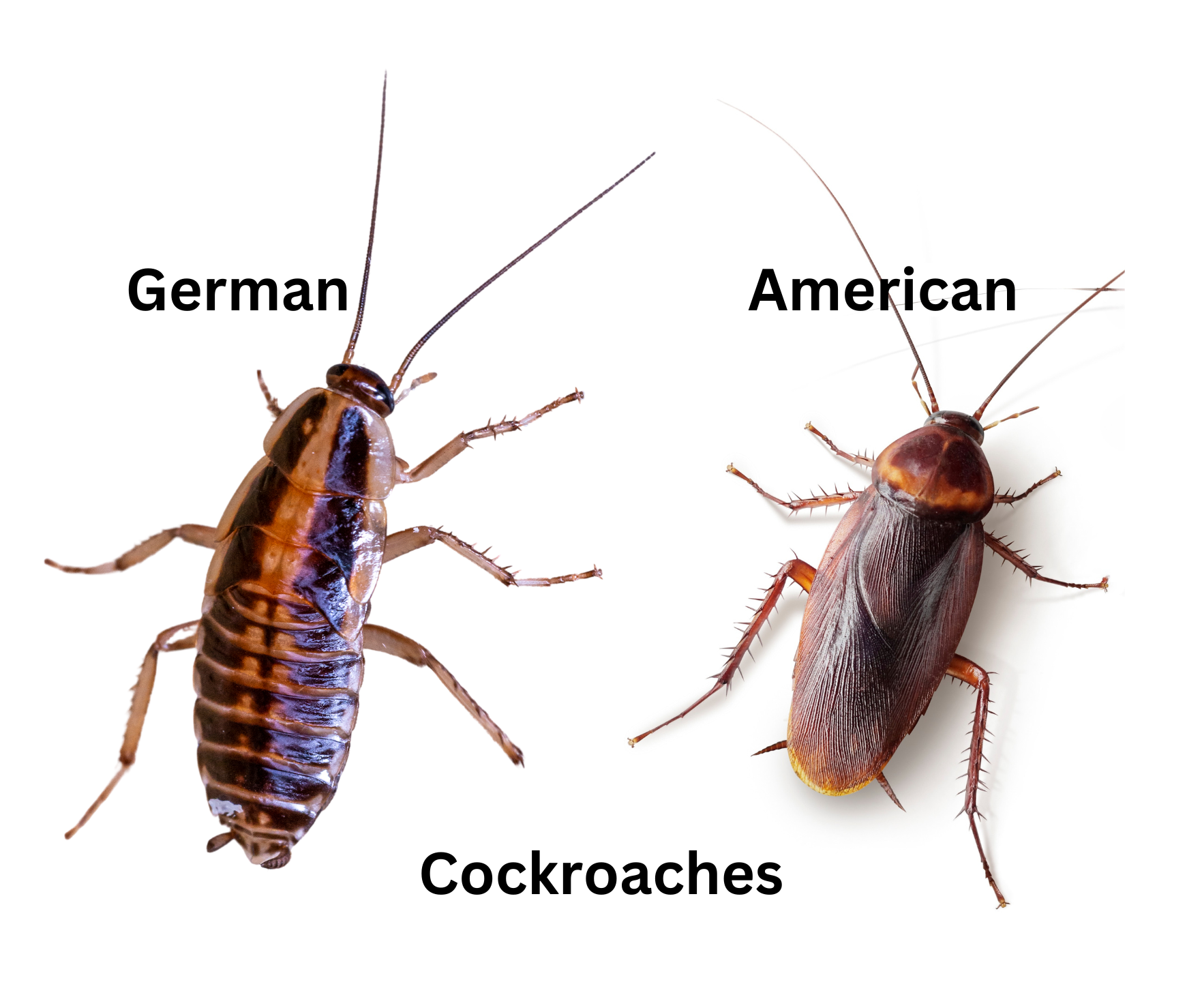
Cockroaches are unwelcome houseguests, no matter their size, shape, or species. But did you know that not all roaches are created equal? Two common cockroaches in north Georgia are German cockroaches and American cockroaches. While both can invade your space, their behavior, habitat, and the approach needed to control them are very different. At Duncan Exterminating, we specialize in identifying and treating both types. Our quarterly pest control program effectively handles American roaches, while German roaches require specialized pest services. Let’s dive into the key differences so you can better understand how to keep your home roach-free. German vs. American Cockroaches Before we discuss how to deal with them, let’s get to know the offenders. German Cockroaches Appearance: Small, light brown, with two dark parallel stripes running down their backs. Adults grow up to 1/2 inch long. Habitat: German cockroaches thrive indoors, especially in warm, humid areas like kitchens and bathrooms. Behavior: They’re fast breeders. A single female can produce hundreds of offspring yearly, making them one of the most challenging pests to eliminate. Diet: German roaches are scavengers, feeding on crumbs, grease, and even toothpaste residue. Health Concerns: Known for spreading bacteria and triggering allergies, German cockroaches pose a serious health risk. American Cockroaches Appearance: Large, reddish-brown, with a yellowish outline on their thorax (the area behind their head). Adults can grow up to 2 inches long. Habitat: American roaches prefer damp, dark areas like basements, crawl spaces, and sewers. They occasionally invade homes but are more common outdoors. Behavior: Though they can fly, American roaches are slower breeders than their German counterparts. Diet: American roaches feed on decaying organic matter but are less picky and will eat just about anything. Health Concerns: While not as aggressive as German roaches, American cockroaches can contaminate food and surfaces with bacteria. Key Differences Between German and American Cockroaches Feature German Cockroaches American Cockroaches Size Small (1/2 inch) Large (up to 2 inches) Color Light brown with stripes Reddish-brown with yellow outline Habitat Indoors (kitchens, bathrooms) Outdoors (basements, crawl spaces) Reproduction Rate Very fast Moderately slow Treatment Specialized pest services Quarterly pest control Now that you know the differences, let’s discuss how Duncan Exterminating can help protect your home from these pesky invaders. How We Treat American Cockroaches Coverage for American cockroaches is included in our quarterly pest control program, which means regular treatments throughout the year will keep them under control. Here’s how we handle them: Inspection: We identify potential entry points and areas of roach activity. Exterior Treatments: We create a barrier around your home to prevent American roaches from entering. Interior Treatments: If necessary, we apply targeted treatments inside your home to eliminate existing infestations. Ongoing Maintenance: Quarterly visits ensure that any roach activity is addressed promptly. American roaches can be a nuisance, but with regular pest control services, they’re manageable. Plus, our team at Duncan Exterminating knows how to stop them in their tracks! Why German Cockroaches Require Specialized Services German cockroaches are a different story. Their rapid reproduction and preference for indoor spaces make them harder to eliminate. This is why they’re part of our special pest services rather than our quarterly program. Here’s how we tackle German roaches: Detailed Inspection: We look for signs of infestation, such as egg cases, droppings, and hiding spots in cracks and crevices. Customized Treatment Plan: We develop a targeted plan to eliminate German roaches at all life stages, which may include baiting, sprays, and dust treatments. Follow-Up Visits: Multiple treatments are often needed to eradicate the infestation. Prevention Education: We provide tips on reducing food and moisture sources to prevent future infestations. Because German cockroaches are so persistent, it’s critical to act fast if you notice signs of an infestation. Don’t wait—call Duncan Exterminating for immediate help. How to Prevent Cockroach Infestations The best way to avoid cockroach problems is to take preventive measures. Here are some tips for both German and American roaches: Keep it Clean: Clean floors, counters, and sinks to eliminate crumbs and grease. Seal Entry Points: Caulk cracks and gaps around windows, doors, and pipes. Eliminate Moisture: Fix leaky faucets and pipes, and use dehumidifiers in damp areas. Store Food Properly: Keep food in sealed containers, and don’t leave pet food out overnight. Remove Clutter: Minimize cardboard boxes and paper stacks, which provide hiding spots for roaches. Of course, the most effective prevention comes from professional pest control services from Duncan Exterminating. Why Choose Duncan Exterminating? Here are a few reasons why homeowners have chosen Duncan since 1981. Local Expertise: We understand the pest challenges homeowners in North Georgia face. Tailored Solutions: Whether it’s quarterly pest control for American roaches or specialized services for German roaches, we’ve got you covered. Friendly, Professional Team: Our technicians are highly trained and committed to providing excellent customer service. Proven Results: We use the latest methods and products to ensure effective pest control. Say Goodbye to Roaches with Duncan Exterminating Don’t let cockroaches take over your home. Whether dealing with the occasional American roach or a full-blown German roach infestation, Duncan Exterminating has the expertise and tools to eliminate the problem. Contact us today to schedule an inspection and learn more about our quarterly pest control program and specialized pest services. Let us help you keep your home safe, clean, and roach-free all year round.
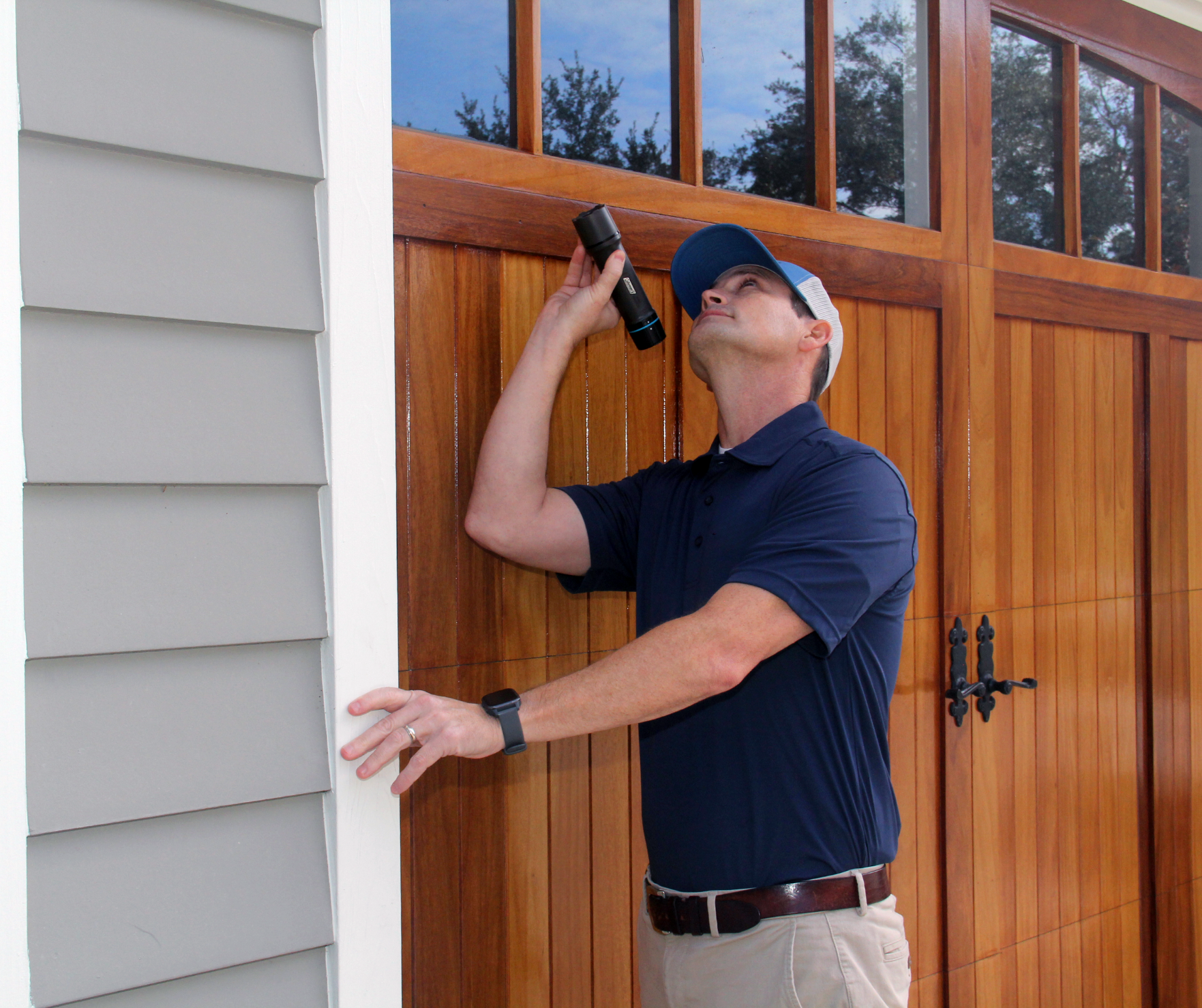
Termites don’t take vacations—even during the colder months. While most pests hibernate or slow down in winter, termites remain active beneath the surface, silently chewing away at your home’s structure. Many homeowners in Gainesville and Dawsonville, GA, believe termite prevention is a spring or summer task, but the truth is winter is the perfect time to safeguard your property. With the help of Duncan Exterminating, you can prevent costly damage and ensure year-round protection with a reliable termite warranty. In this blog, we’ll cover why winter is the ideal time for termite prevention and how Duncan Exterminating can help keep your home safe. Why Are Termites a Year-Round Threat? While some pests like mosquitoes and ants disappear when temperatures drop, termites continue their destructive work. Subterranean termites, the most common species in Georgia, thrive in damp, warm environments—like the soil beneath your home. Here’s what makes termites especially troublesome during winter: Active Colonies Underground – Even in winter, termite colonies remain active underground. The soil provides the warmth and moisture they need to survive. Silent Destruction – Termites don’t sleep or hibernate, so they keep feeding on your home’s wood structure 24/7. Challenging to Spot —Termites often avoid detection during winter because they are not swarming (a behavior typically seen in spring). This makes early prevention even more crucial. Ignoring the risk of termites during winter can leave your home vulnerable to severe structural damage that may cost thousands of dollars to repair. 5 Reasons Winter Is the Perfect Time for Termite Prevention Easier to Detect Termite Activity - Winter is the off-season for termite swarms, which means professionals can focus on identifying signs of hidden infestations. Termite damage, mud tubes, and moisture-rich areas are easier to spot when there’s less pest activity elsewhere. Proactive Protection Before Spring - Termite swarms typically occur in spring, when reproductive termites leave their colonies to establish new ones. By taking preventive measures in winter, you can stop termites from causing problems when their activity ramps up. Moisture Levels Are Manageable - Winter’s cooler temperatures mean less humidity and slower wood decay, making it the ideal time to apply termite treatments. Proper prevention now ensures your home stays protected when spring rains return. Peace of Mind Year-Round - Preventing termites in winter ensures your home is safe before the peak infestation season arrives. With a termite warranty from Duncan Exterminating, you’ll have year-round peace of mind knowing your property is covered. How Duncan Exterminating Can Help Duncan Exterminating, serving Gainesville and Dawsonville, GA, has been the trusted name in pest control and termite prevention for years. Here’s why homeowners in the area turn to them for comprehensive termite protection: Expert Inspections: Their team conducts thorough termite inspections to identify any signs of damage or infestation. Customized Treatment Plans: Every home is different, and Duncan Exterminating creates tailored plans to address your unique needs. Termite Warranty Services: Our termite warranty protects your home with regular inspections and treatments to ensure termites stay out for good. Local Expertise: They understand the specific termite challenges that homes in North Georgia face, so you get the most effective solutions. Don’t wait until termites cause visible damage—prevention is key! Duncan Exterminating’s experts will keep your home safe from these silent destroyers. Signs Your Home Might Already Have Termites Even in winter, you may notice signs of termite activity in your home. Here’s what to look for: Mud Tubes: Thin tunnels built by termites to travel between soil and wood. Hollow-Sounding Wood: Tap on wooden structures; if they sound hollow, termites may be inside. Warped Doors or Windows: Termite damage can make wood swell, making doors and windows harder to open. If you spot any warning signs, don’t panic—call Duncan immediately for an inspection. The Importance of a Termite Warranty Think of a termite warranty as an investment in your home’s future. With a warranty from Duncan Exterminating, you’ll get regular inspections, treatment plans, and the assurance that your property is protected. If termites show up despite preventive measures, their warranty covers treatment costs, so you don’t have to worry about unexpected expenses. Winter Termite Prevention Tips for Homeowners Here are a few simple steps you can take this winter to make your home less appealing to termites: Eliminate Moisture: Fix leaky pipes, clean gutters, and ensure proper drainage around your home. Store Firewood Properly: Keep firewood at least 20 feet away from your home and off the ground. Seal Entry Points: Close gaps around pipes, vents, and foundation cracks. Schedule an Inspection: Let the professionals at Duncan Exterminating check for early signs of termite activity. Protect Your Home This Winter with Duncan Exterminating Winter is the perfect time to take control of termite prevention and protect your investment. Don’t let these pests eat away at your home while you wait for spring. Contact Duncan Exterminating today for an inspection and learn how their termite warranty can save you money and stress in the long run. Contact Duncan Exterminating to schedule your termite inspection or learn more about their termite warranties. Call them now and enjoy year-round peace of mind, knowing your home is in expert hands.